
Use Code WELCOME5 To Get 5% Off On Your First Order! 🎉
Use Code WELCOME5 To Get 5% Off On Your First Order! 🎉
Use Code WELCOME5 To Get 5% Off On Your First Order! 🎉


When it comes to choosing the right cooking oil, people often get caught between what’s traditional and what’s scientifically healthy. Groundnut oil and safflower oil are two of the most debated choices. Both have been praised for their benefits, but when you look closely at their composition and health impact, the answer is not as simple as picking one over the other.
Let’s break down what makes each oil different, how they affect your health, and what science actually says about which one you should be using in your kitchen.

Understanding the Basics
Before comparing, it’s important to know what these oils really are.
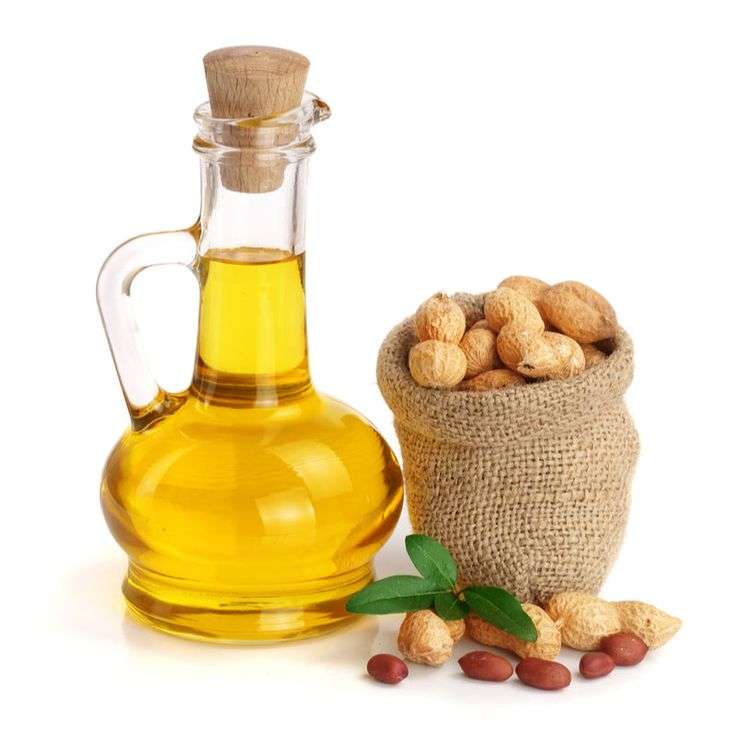
Groundnut oil, also known as peanut oil, is extracted from peanuts and has been used in Indian households for generations. It’s known for its mild nutty flavor, high smoke point, and traditional use in frying and sautéing.
Safflower oil, on the other hand, is made from the seeds of the safflower plant, which is related to the sunflower. It’s colorless, flavorless, and has been marketed as a “heart-healthy” oil because of its unsaturated fat content.
At first glance, both seem healthy, but the truth lies in their fatty acid composition, processing, and how the body reacts to these fats over time.
The Fat Breakdown: What’s Inside Matters
Cooking oils are made up of three main types of fats: saturated, monounsaturated (MUFA), and polyunsaturated (PUFA). The balance of these fats determines how stable and healthy an oil is when heated.
Groundnut oil typically contains:
- Around 50% monounsaturated fat (MUFA)
- 30–35% polyunsaturated fat (PUFA)
- 15–20% saturated fat
Source: currentsci.com
Safflower oil comes in two varieties, high-linoleic (rich in omega-6 PUFAs) and high-oleic (rich in MUFAs).
- High-linoleic safflower oil: 70–80% omega-6 polyunsaturated fat
- High-oleic safflower oil: 70–75% monounsaturated fat
Source: phytojournal.com
This difference is critical. High-linoleic safflower oil is often marketed as healthy, but its extremely high omega-6 content can actually cause inflammation if not balanced with enough omega-3s.
Groundnut oil, while slightly more balanced, still leans heavily on omega-6 fats and contains traces of trans fats if refined. This combination can make it less heart-friendly than it appears.
Here’s the thing: not all unsaturated fats are automatically good. Omega-6 fatty acids, though essential, can be harmful when consumed in excess, which is exactly what happens with most modern diets.
Both safflower and groundnut oils are high in omega-6 fats, which promote inflammation when they outweigh omega-3 fats from sources like fish, flaxseed, or chia. Chronic inflammation is one of the leading causes of heart disease, diabetes, and obesity.
So while both oils are better than trans fats or hydrogenated oils, their overuse without balancing omega-3 intake can be counterproductive.
Smoke Point and Stability: The Hidden Factor
When oils are heated beyond their smoke point, they break down and release harmful compounds such as free radicals and aldehydes.
- Groundnut oil smoke point: around 225°C (437°F)
- Safflower oil smoke point: 230°C (446°F)
Both can technically handle high-heat cooking, but safflower oil (especially the high-oleic version) is more stable due to its higher monounsaturated fat content.
Polyunsaturated fats, found in high amounts in regular safflower and groundnut oils, are fragile and oxidize quickly when heated. This oxidation creates free radicals that can damage cells and contribute to aging, heart disease, and cancer risk.
So while both oils can be used for frying, refined safflower oil tends to stay more stable under heat. However, refined oils come with their own drawbacks.
Refined vs. Cold-Pressed: The Processing Issue
Most of the oils you find in supermarkets are refined, which means they undergo processes like bleaching, deodorizing, and chemical extraction. This strips away antioxidants and nutrients, leaving behind only the fat.
Refined groundnut and safflower oils may look clear and clean, but they’ve lost most of their natural health benefits.
Cold-pressed versions are healthier because they retain vitamin E, natural antioxidants, and plant sterols that help support heart health. However, cold-pressed oils are less stable at high temperatures and better suited for salad dressings or light sautéing rather than deep frying.
If you use refined versions daily for frying or tempering, you’re not just missing nutrients you may be consuming oxidized compounds that are harmful over time.

Heart Health: What Studies Actually Show
For decades, safflower oil was promoted as a heart-healthy alternative because it lowers LDL (bad cholesterol). But that’s only half the picture.
Recent studies show that while safflower oil may reduce LDL cholesterol, it doesn’t necessarily improve HDL (good cholesterol) or reduce the risk of heart attacks. In fact, excessive consumption of omega-6 fats like those in safflower oil can increase inflammation and oxidative stress, both risk factors for cardiovascular disease.
Groundnut oil, being moderately rich in monounsaturated fats, has a slightly better effect on HDL levels. However, its benefits vanish when it’s refined or reused multiple times for frying, which creates toxic compounds like acrylamide and free radicals.
The real takeaway is that the source and balance of fats matter more than the oil label itself.
Vitamin and Antioxidant Profile
Both oils contain vitamin E, a natural antioxidant that helps protect cells from oxidative damage. However, safflower oil, especially the cold-pressed kind, contains slightly more vitamin E than groundnut oil.
That said, relying on cooking oil as your main antioxidant source isn’t wise. Once exposed to heat, much of this vitamin is lost. The real benefits of vitamin E are better obtained from nuts, seeds, and leafy vegetables.
So while safflower oil might have the edge in vitamin E content, it’s not a significant deciding factor when choosing between the two.
The Role of Tradition vs. Science
Many Indian households prefer groundnut oil because it’s been used for generations and suits local cooking styles. It’s familiar, aromatic, and blends well with Indian spices. But tradition doesn’t always mean healthier.
Traditional groundnut oil was once made through cold-pressing methods that preserved nutrients and prevented overheating. Modern refined groundnut oil, however, is far from that. It’s often solvent-extracted and refined, removing beneficial plant compounds and introducing traces of chemical residues.
Safflower oil, though less common in Indian kitchens, is often seen as the “modern” or “Western” choice, but that doesn’t automatically make it better either. High-linoleic safflower oil can increase the risk of inflammation if used as the main cooking oil without a balanced diet.
Taste and Culinary Use
Groundnut oil has a distinct, nutty aroma that enhances the flavor of many Indian dishes. It’s versatile for frying, sautéing, and even baking.
Safflower oil, being neutral in flavor, is better suited for salad dressings or recipes where you don’t want the oil to influence the taste.
If taste matters to you, groundnut oil is more likely to blend well with everyday Indian cooking. But if you prefer a neutral taste for continental or fusion dishes, safflower oil might work better.
The Ideal Way to Use Them
The healthiest approach isn’t choosing one oil and using it for everything. It’s about rotation and balance.
Here’s a simple breakdown:
- Use cold-pressed groundnut oil for sautéing or medium-heat cooking.
- Use high-oleic safflower oil occasionally for high-heat frying or baking.
- Include omega-3-rich oils like flaxseed or chia seed oil (for cold use) to balance the omega-6 intake.
Switching oils every few weeks ensures you’re not overloading on any one type of fatty acid.
Final Verdict: Which One Is Healthier?
If you compare directly, high-oleic safflower oil is slightly healthier than groundnut oil because of its higher monounsaturated fat content and greater heat stability. However, it must be cold-pressed and consumed in moderation.
Groundnut oil, especially the refined version commonly used, may not be as healthy as people believe. It’s decent for flavor and moderate use, but relying on it daily for frying or deep cooking can add to your omega-6 load and reduce your overall heart health benefits.
The healthiest choice is not about brand or tradition, it’s about quality, balance, and moderation. Use oils wisely, avoid reusing fried oil, and include natural fat sources like nuts, seeds, and avocados in your diet.
Bottom Line
Both groundnut oil and safflower oil have their place in the kitchen, but neither should be seen as a miracle health oil.
Safflower oil (high-oleic) offers better heat stability and a higher MUFA ratio, making it slightly more heart-friendly. Groundnut oil brings in traditional flavor and versatility but needs to be used carefully due to its omega-6 composition.
Your goal shouldn’t be to find a “perfect” oil but to build a balanced cooking routine. Mix your oils, balance your fats, and prioritize variety. That’s how real health is sustained not through a single ingredient, but through mindful choices every day.