
Use Code WELCOME5 To Get 5% Off On Your First Order! 🎉
Use Code WELCOME5 To Get 5% Off On Your First Order! 🎉
Use Code WELCOME5 To Get 5% Off On Your First Order! 🎉


Groundnut (peanut) oil is not inherently “healthy” or “unhealthy”; its impact depends on how much you use, how you cook with it, and how it fits into your overall diet and omega‑3 intake. Understanding calorie density, omega‑6 balance, high‑heat degradation, and allergy nuances helps you use oils more safely and strategically.
Why this conversation matters
Groundnut oil earned a healthy halo for being plant-based, cholesterol‑free, and relatively stable for frying, but those labels can obscure critical facts about dosage, fatty-acid balance, and toxic compounds formed at high heat or with reuse. A smarter approach emphasizes portion control, oil rotation, single‑use for deep‑frying, storage discipline, and increased whole‑food fats.
Groundnut oil: what it is and isn’t
Peanut oil is a vegetable oil pressed from peanuts, commonly used for sautéing and frying because of its neutral flavor and heat tolerance; its “cholesterol‑free” claim is simply true of all plant oils and does not automatically mean cardioprotective in real-world use. Like any oil, it is energy-dense and easy to overuse unless measured, which can undermine weight and metabolic health goals.
The real fatty‑acid profile
Typical peanut oil contains roughly 20% saturated fat, about 50% monounsaturated (MUFA, mainly oleic acid), and around 30% polyunsaturated (PUFA, largely omega‑6 linoleic acid), with only trace omega‑3s; some varietal and regional differences occur, but the low omega‑3 is consistent. This composition supports neutral flavor and decent sauté performance but contributes more omega‑6 than omega‑3 to your diet.
Source: onlinelibrary.wiley.com
Sale!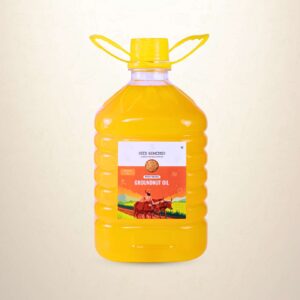
- Add to Cart This product has multiple variants. The options may be chosen on the product page
Groundnut Oil
Rated 5.00 out of 5 based on 2 customer ratings
₹220.00 – ₹2,050.00Price range: ₹220.00 through ₹2,050.00
Omega‑6 overload and the balance problem
Health guidance increasingly emphasizes a lower omega‑6:omega‑3 dietary ratio than typical modern intakes; many people consume ratios well above 10:1, while recommended patterns often aim closer to 1:1 through 4:1, depending on the source and context. Using a low‑omega‑3 oil like peanut oil as a staple can widen an existing imbalance unless paired with omega‑3‑rich foods or oils used cold.
Practical steps to improve balance:
- Add omega‑3 foods: fatty fish, flaxseed, chia, walnuts, and EPA/DHA sources.
- Use omega‑3 oils cold (flaxseed, walnut) for dressings; never heat them.
- Rotate oils to diversify fatty acids instead of relying on one type daily.
Calorie density and portion control
One tablespoon of peanut oil provides roughly 119–120 kcal-easy to overshoot with free-pour cooking, so measure with teaspoons/tablespoons to avoid creeping intake. As a household planning guide, keep total added oils near a few teaspoons per adult per day across all meals, adjusting for energy needs and activity levels.
Source: healthline
Tips to reduce excess:
- Pre‑measure oil for tadka and sauté; add broth or water to extend cooking without extra oil.
- Use nonstick or well‑seasoned cookware to minimize oil requirements.
- Finish dishes with a small measured drizzle for flavor instead of cooking with large volumes.
High heat, reuse, and toxic aldehydes
Even when an oil tolerates high temperatures initially, sustained high‑heat cooking and especially repeated frying cycles generate lipid oxidation products and toxic aldehydes that are cytotoxic and genotoxic. Research shows aldehyde formation rises measurably within minutes at deep‑frying temperatures and increases across repeated frying episodes, making reuse a key risk factor to avoid.
What to do instead:
- For deep‑frying, use fresh oil and discard after a single session; do not top up or store for reuse.
- Minimize time at peak temperatures; keep batches short and avoid smoking or visible darkening.
- After cooking, cool and strain once solely to remove particulates before disposal; don’t “clean and reuse.”
Purity, adulteration, and storage
Label claims can mask blending with cheaper oils or poor handling that accelerates oxidation; while not unique to peanut oil, quality control and storage practices determine what actually reaches your pan. Store oil in a cool, dark place, cap tightly, buy smaller volumes, and avoid clear bottles exposed to light to limit peroxidation and off‑flavors.
Checklist to protect quality:
- Choose reputable brands and smaller bottles you’ll finish within weeks.
- Keep away from stove heat and sunlight; consider tinted bottles or closed cabinets.
- Discard oil that smells paint‑like, soapy, or bitter signs of rancidity and oxidation.
“Cholesterol‑free” does not mean “heart‑healthy”
All vegetable oils are cholesterol‑free; the more important questions are how oils affect lipid profiles, inflammation, oxidation, and total energy intake in the real context of your meals. MUFA‑rich profiles may support lipid parameters, but heavy use, deep‑frying, and reuse can negate benefits through oxidation products and excess calories.
The biggest myth: “healthy oil” makes fried food healthy
Even if an oil starts with a favorable profile, deep‑frying increases aldehydes and other thermal degradation products while adding large calorie loads to foods. Health outcomes are driven more by cooking methods and frequency than by which “healthy oil” is selected for the fryer.
Smarter cooking alternatives:
- Oven‑bake or air‑fry with minimal measured oil for texture with less oxidation and fewer calories.
- Stir‑fry quickly at moderate heat with small measured amounts, then finish with herbs or acid for flavor.
- Use broths, pulses, and vegetables to stretch volume and satiety without extra oil.
How to use groundnut oil wisely
Peanut oil can fit in a balanced rotation when used deliberately for flavor and function, rather than as a blanket default; keep heat time short, avoid reuse, and integrate omega‑3‑rich foods elsewhere. Treat it as one tool among several to diversify fatty acids across the week.
A simple rotation model:
Everyday sauté/tadka: MUFA‑forward options, including standard or high‑oleic variants where available, to support heat stability and flavor with measured portions.
High‑heat sessions: fresh oil for single‑use deep‑frying only; discard after one session to limit aldehydes.
Cold uses: flaxseed or walnut oil to boost omega‑3 in dressings and drizzles; do not heat these oils.
Practical daily guardrails
Portion discipline: measure 2–3 teaspoons per adult per day across all meals as a planning baseline, adjusting individually with professional guidance.
Do not reuse frying oil: aldehydes and other degradation products accumulate; single‑use only.
Balance the plate: prioritize whole‑food fats (nuts, seeds, fish), fiber, and minimally processed foods to improve lipid and inflammation profiles.
Comparison table: where groundnut oil fits
| Oil | MUFA/PUFA tendency | Omega‑3 presence | Best use case |
|---|---|---|---|
|
Peanut (groundnut) |
MUFA ~50%, PUFA ~30% (mostly omega‑6) |
Trace omega‑3; low |
Medium‑high heat sauté; single‑session frying, no reuse |
|
Mustard |
Higher omega‑3 than peanut; regional variability |
Some ALA; use mainly medium heat/cold |
Some ALA; use mainly medium heat/cold |
|
Olive (refined/virgin) |
MUFA‑dominant (oleic acid) |
Very low omega‑3 |
Sauté at moderate heat; extra‑virgin for cold/low heat
|
|
Rice bran |
PUFA‑leaning with some MUFA; variable |
Very low omega‑3 |
Medium‑high heat; avoid reuse; rotate to avoid omega‑6 overload |
Note: Exact composition varies by cultivar and processing; rotate rather than rely on one oil.
Buying and storage best practices
Look for harvest/press dates and opaque packaging to limit light exposure.
Prefer trusted suppliers with clear refining/cold‑pressing disclosures and batch testing.
Store in cool, dark cabinets; avoid counters near stoves or windows.
Allergy‑safe kitchen protocols
If any household member has a peanut allergy, avoid unrefined/cold‑pressed peanut oil entirely due to residual proteins.
For refined peanut oil, confirm with an allergist and consider strict segregation of cookware and labels to prevent cross‑contact.
For guests with allergies, default to non‑peanut oils to eliminate confusion and risk.
Content takeaways for health seekers
“Healthy oil” is not a free pass: measure meticulously, keep heat time short, and never reuse frying oil.
Improve omega‑3 intake through foods and cold‑use oils to counterbalance omega‑6‑heavy patterns.
Choose cooking methods that reduce oxidation and calories—baking, air‑frying with a measured spray, and quick sauté are better than deep‑frying.
FAQs
Is groundnut oil good for heart health?
It can be part of a heart‑conscious pattern thanks to its MUFA content, but benefits depend on small portions, minimal high‑heat exposure, and overall dietary quality; heavy use and deep‑frying produce harmful oxidation products that counteract potential upside.
Can peanut oil be reused for frying?
No; repeated heating accelerates lipid oxidation and toxic aldehyde formation, which rise with time and cycles discard after one frying session.
Is peanut oil safe for people with peanut allergies?
Highly refined peanut oil generally lacks the proteins that trigger reactions and is typically tolerated by most, while unrefined/cold‑pressed retains proteins and should be avoided; always follow clinician guidance.
What’s a healthy daily oil limit?
Use measured, minimal amounts, roughly a few teaspoons of added oil per adult per day as a baseline, while prioritizing whole‑food fats and fiber‑rich meals for better satiety and metabolic outcomes.
Groundnut oil is not a miracle or a menace; it is a useful cooking tool when used sparingly, without reuse, and alongside omega‑3‑rich foods and low‑oxidation cooking methods. Focus on portions, rotation, and technique not labels like “cholesterol‑free” or “traditional” to make everyday meals genuinely healthier.